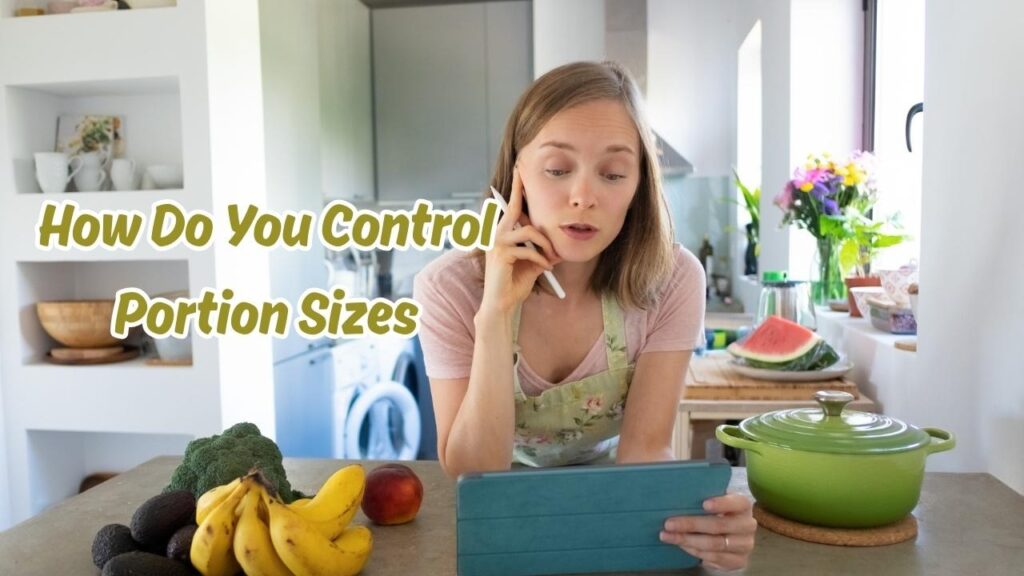
How do you control portion sizes is a common question for anyone striving for weight management, healthy eating, or balanced nutrition. Learning to serve the right amounts can transform your relationship with food, reduce overeating, and support long-term wellness goals. In this article, we’ll explore practical strategies for meal planning, mindful eating, and using simple tools like measuring cups and visual cues to keep portions in check. Whether you’re trying to lose weight, maintain energy levels, or develop sustainable healthy habits, understanding portion control is key. By the end, you’ll have actionable tips to confidently manage your meals without feeling deprived, making nutrition both practical and enjoyable for everyday life.
Understanding How do you control portion sizes
Controlling portion sizes is essential for maintaining healthy eating and achieving weight management goals. Portion control refers to serving appropriate amounts of food at each meal to meet nutritional needs without overeating. Unlike calorie counting, portion control emphasizes visual cues and balanced servings, making it more practical for daily life. Historically, portion sizes have increased dramatically, contributing to rising obesity rates and health risks worldwide. By understanding what constitutes a proper portion, individuals can make mindful choices that support balanced nutrition, enhance digestion, and improve overall wellness.
Why and How do you control portion sizes
Proper portion management plays a significant role in weight loss, maintaining energy levels, and preventing chronic illnesses such as diabetes and heart disease. Eating larger portions can lead to unconscious overconsumption of calories even when food is healthy. On the other hand, too small portions can leave you hungry, affecting metabolism and energy. Practicing portion awareness empowers individuals to enjoy a variety of foods while staying in control of their daily nutritional intake. Benefits include better digestion, improved mindful eating habits, and long-term sustainable lifestyle changes.
Key Strategies to How do you control portion sizes
Use Visual Cues
One effective approach is comparing portion sizes to familiar objects:.
- A fist-sized portion for whole grains like rice or pasta.
- A cupped hand for healthy fats such as nuts or seeds.
- A thumb for spreads like butter or peanut butter.
- A fist for fruits and vegetables, encouraging larger servings of low-calorie foods.
Visual cues make it easier to estimate portions without relying on scales or measuring cups, simplifying meal planning.
Divide Your Plate
Structuring your meals is another practical method. The plate method divides your meal into sections: half for vegetables, one-quarter for lean protein, and one-quarter for grains or starchy foods. This simple layout ensures a balanced intake while naturally controlling portions. Using smaller plates or bowls can also create the perception of a full meal, which supports mindful eating and prevents overeating.
Tools and Techniques for Portion Control
Measuring and Weighing
Using measuring cups, spoons, or a food scale allows precise control over servings, especially when following diet plans or recipes. While it may seem tedious initially, it trains your mind to recognize appropriate portion sizes over time.
Mindful Eating
Mindful eating involves slowing down, chewing thoroughly, and paying attention to hunger cues. This practice can prevent overeating, increase satisfaction, and help identify true hunger versus emotional cravings. Key tips include:
- Eat without distractions such as TV or mobile phones.
- Focus on flavors, textures, and aromas.
- Pause between bites to assess fullness.
- Serve meals in the kitchen rather than at the table.
- Stop eating when comfortably satisfied, not stuffed.
Pre-Portion Snacks
Pre-portioning snacks like nuts, popcorn, or trail mix into small containers prevents mindless consumption and encourages better control over caloric intake.
Common Challenges in Portion Control
Even with awareness, several challenges can make portion control difficult:
- Eating out with larger restaurant servings
- Emotional eating during stress or boredom
- Misjudging portion sizes due to packaged food labels
- Sharing meals with family or friends
- Skipping meals leading to overcompensation later
Overcoming these obstacles requires planning, preparation, and developing consistent healthy habits.

Types of How do you control portion sizes
- Hand Portioning: Using hands to estimate servings for protein, grains, and fats
- Visual Method: Comparing portions to everyday objects like cups, fists, or palms
- Measuring Tools: Using cups, spoons, and scales for precision
- Plate Division: Structuring meals with a set plate ratio
- Pre-Portioned Packaging: Individually packed snacks or meals
Each method suits different lifestyles and goals. Combining methods often produces the best results for both weight management and balanced nutrition.
Tips for Successful How do you control portion sizes
- Plan meals in advance to prevent impulsive eating
- Fill half your plate with vegetables for fiber and volume
- Avoid eating directly from large containers or packages
- Stay hydrated as thirst can be mistaken for hunger
- Practice mindful eating and listen to natural satiety signals
Implementing these tips consistently can make portion control feel natural, not restrictive.
Conclusion
Understanding how do you control portion sizes is key to maintaining a healthy lifestyle, managing weight, and improving overall nutrition. By using visual cues, plate division, measuring tools, and mindful eating practices, individuals can enjoy meals without overeating. While challenges exist, adopting structured methods and consistent habits ensures long-term success. Practicing portion control empowers you to enjoy a variety of foods, stay energized, and support sustainable wellness goals effortlessly.