
The importance of rest and recovery is something many people overlook in their pursuit of fitness and productivity. Whether you’re an athlete pushing through intense training or a professional managing a demanding schedule, your body requires adequate downtime to rebuild and recharge. Without proper recovery, you risk burnout, injuries, and declining physical performance.
Rest isn’t just about sleeping it encompasses muscle recovery, mental relaxation, and allowing your nervous system to reset. Many people believe that constant activity leads to faster results, but science tells a different story. Strategic rest periods actually enhance strength, endurance, and mental clarity.
In this article, we’ll explore why downtime is essential for peak performance, the science behind recovery, and practical strategies to help you optimize your rest routine for better results in every area of life.
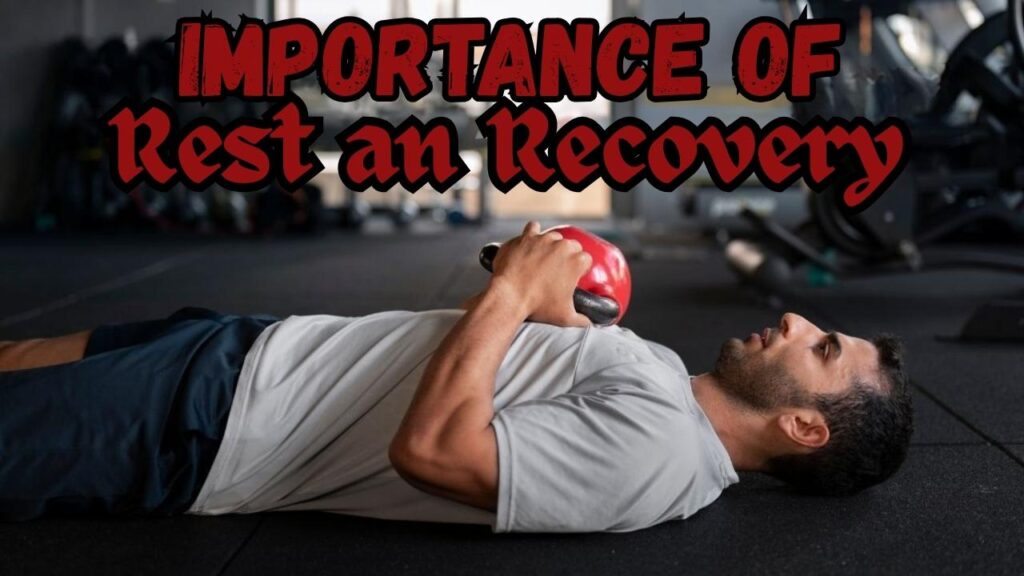
Understanding Rest and Recovery: What Does It Really Mean?
Rest and recovery refer to the time your body needs to repair, rebuild, and strengthen itself after physical or mental exertion. While rest typically means taking a break from activity, recovery involves active processes like sleep quality improvement, nutrition, and gentle movement.
The importance of rest and recovery has been recognized for centuries. Ancient Greek athletes understood that training required balance. Hippocrates himself emphasized the need for rest in healing. Today, modern science confirms what our ancestors knew instinctively.
Your body undergoes significant stress during exercise and daily activities. Without adequate recovery time, tissues cannot repair properly, leading to decreased performance and potential injury.
The Science Behind Why Your Body Needs Downtime
How Muscles Repair and Grow
Physical activity causes tiny micro tears in your muscle tissue during each workout session. This might sound harmful, but it’s actually how muscles grow stronger. During rest, your body repairs these tears through a process called muscle protein synthesis.
This repair process primarily happens during sleep and rest days. Growth hormone, essential for muscle recovery, is released predominantly during deep sleep cycles. Without sufficient rest, this crucial repair work remains incomplete.
The Role of the Nervous System
Your central nervous system also requires recovery. Intense physical activity taxes your nerves, affecting coordination, reaction time, and overall physical performance. Chronic fatigue can lead to:
- Decreased motivation and focus
- Poor coordination and balance
- Slower reaction times
- Increased risk of injury
- Hormonal imbalances
Understanding the importance of rest and recovery helps you appreciate why pushing through exhaustion often backfires.
Key Benefits of Prioritizing Recovery
Enhanced Physical Performance
Athletes who prioritize recovery consistently outperform those who overtrain. Proper rest allows your body to adapt to training stress, resulting in improved strength and endurance. Studies show that adequate recovery can boost performance by up to 20 percent.
Improved Mental Health and Clarity
Rest isn’t just physical. Your brain needs downtime to process information, consolidate memories, and regulate emotions. Quality recovery supports better mental health, reduced anxiety, and sharper cognitive function.
The importance of rest and recovery extends to your emotional wellbeing. Chronic exhaustion contributes to mood disorders, irritability, and decreased productivity.
Injury Prevention and Longevity
Overtraining syndrome is a real concern for active individuals. Without proper recovery time, you increase your risk of:
- Stress fractures and joint problems
- Chronic muscle strains
- Immune system suppression
- Burnout and fatigue
Taking regular rest days is an investment in your long term health and athletic performance.
Common Challenges in Getting Adequate Rest
The Guilt Factor
Many people feel guilty about taking time off. Society often celebrates constant hustle, making rest seem lazy or unproductive. Recognizing the importance of rest and recovery helps reframe downtime as essential rather than optional.
Poor Sleep Habits
Even when people try to rest, sleep quality often suffers. Screen time, caffeine, and irregular schedules disrupt natural sleep patterns. Improving sleep hygiene is crucial for effective recovery.
Difficulty Slowing Down
In our fast paced world, slowing down feels unnatural. However, ignoring recovery signals leads to diminishing returns. Learning to listen to your body is a skill worth developing.

Practical Strategies for Better Recovery
Active Recovery Techniques
Recovery doesn’t always mean complete inactivity. Active recovery includes light movement that promotes blood flow without adding stress. Consider these options:
- Gentle yoga or stretching
- Light walking or swimming
- Foam rolling and mobility work
- Meditation and breathing exercises
Optimizing Sleep for Recovery
To maximize the importance of rest and recovery, focus on sleep quality by:
- Maintaining a consistent sleep schedule
- Creating a dark and cool sleeping environment
- Avoiding screens one hour before bed
- Limiting caffeine after midday
Nutrition and Hydration
Proper post workout nutrition supports recovery. Consuming adequate protein and carbohydrates helps replenish energy stores and repair tissues. Staying hydrated also plays a vital role in muscle recovery and overall performance.
Understanding and respecting the importance of rest and recovery transforms how you approach fitness and daily life. By making recovery a priority, you’ll perform better, feel stronger, and enjoy sustained energy for years to come.
Conclusion
The importance of rest and recovery cannot be overstated when it comes to achieving peak physical performance and maintaining overall wellbeing. Throughout this article, we’ve explored how proper downtime supports muscle recovery, prevents injuries, and enhances mental clarity.
Remember that rest is not a sign of weakness but a strategic tool for success. By prioritizing sleep quality, incorporating active recovery techniques, and listening to your body’s signals, you set yourself up for long term progress.
Start respecting the importance of rest and recovery today. Your body will thank you with improved strength, better focus, and sustained energy to tackle whatever challenges come your way.