
Indoor farming technology is transforming the way we grow food, offering innovative solutions to some of agriculture’s biggest challenges. As the global population continues to rise, traditional farming methods are struggling to keep pace with increasing food demands. This modern approach to cultivation is stepping in as a game-changer.
From vertical farming systems to advanced hydroponic growing methods, these cutting-edge techniques allow crops to thrive year-round without relying on unpredictable weather conditions. Farmers can now produce fresh, nutritious food in urban environments, abandoned warehouses, and even shipping containers.
In this comprehensive guide, we’ll explore how this revolutionary approach is reshaping sustainable food production, the key technologies driving its growth, the benefits it offers over conventional agriculture, and what the future holds for this rapidly evolving industry.
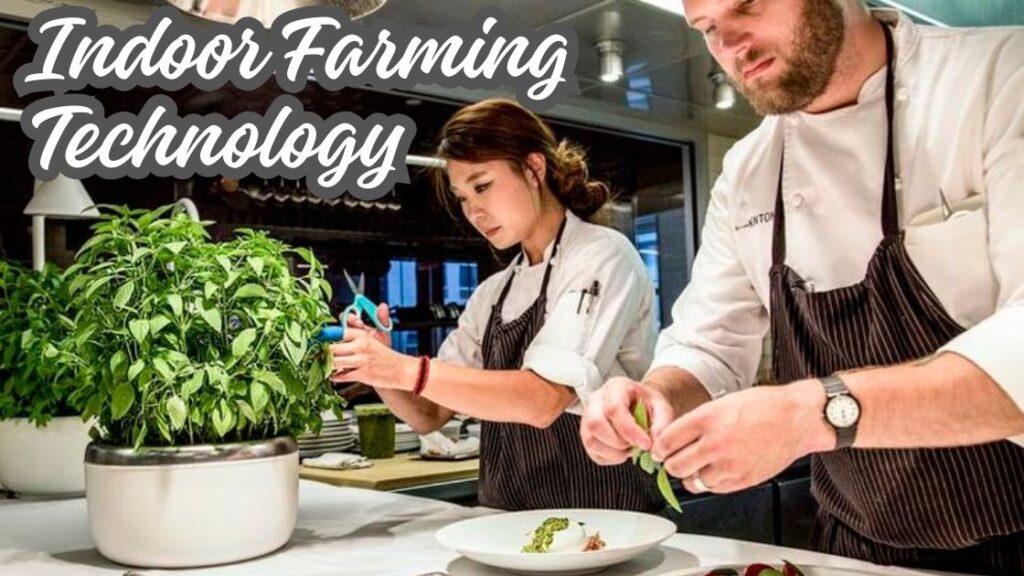
What Is Indoor Farming Technology?
Indoor farming technology refers to the practice of growing crops inside controlled environments rather than in open fields. This method uses artificial lighting, climate control systems, and soilless growing techniques to create optimal conditions for plant growth.
Unlike traditional agriculture, this approach eliminates dependence on natural sunlight, seasonal changes, and weather patterns. Farmers gain complete control over every aspect of the growing process, from temperature and humidity to nutrient delivery.
A Brief History of Controlled Environment Agriculture
The concept of growing plants indoors dates back centuries, but modern controlled environment agriculture truly emerged in the 20th century. Early greenhouses paved the way for more sophisticated systems.
The 1990s saw significant advancements with the introduction of hydroponic systems and LED grow lights. Today, indoor farming technology has evolved into a billion dollar industry, attracting investors and entrepreneurs worldwide.
Why Is This Agricultural Revolution So Important?
The importance of indoor farming technology cannot be overstated in today’s world. Several critical factors are driving its rapid adoption across the globe.
Addressing Food Security Concerns
With the world population expected to reach 10 billion by 2050, sustainable crop production has become essential. Traditional farming faces limitations including land scarcity, water shortages, and unpredictable climate conditions.
Vertical farming solutions allow food production in areas previously considered unsuitable for agriculture. Urban centers can now grow fresh produce locally, reducing transportation costs and carbon emissions.
Environmental Benefits of Modern Growing Methods
Indoor farming technology offers remarkable environmental advantages that support sustainable agriculture practices:
- Uses up to 95% less water than conventional farming through recirculating systems
- Eliminates the need for harmful pesticides and herbicides
- Reduces land usage by stacking crops vertically
- Produces zero agricultural runoff that pollutes waterways
- Enables year round harvesting regardless of external conditions
Key Technologies Driving the Industry Forward
Several innovative technologies work together to make indoor farming technology successful and efficient.
Advanced Lighting Systems
LED grow lights have revolutionized how plants receive energy indoors. These systems deliver specific light wavelengths that maximize photosynthesis while minimizing energy consumption.
Modern lighting can be customized for different crop varieties, growth stages, and desired outcomes. This precision leads to faster growth cycles and higher nutritional content.
Soilless Growing Techniques
Two primary methods dominate the industry:
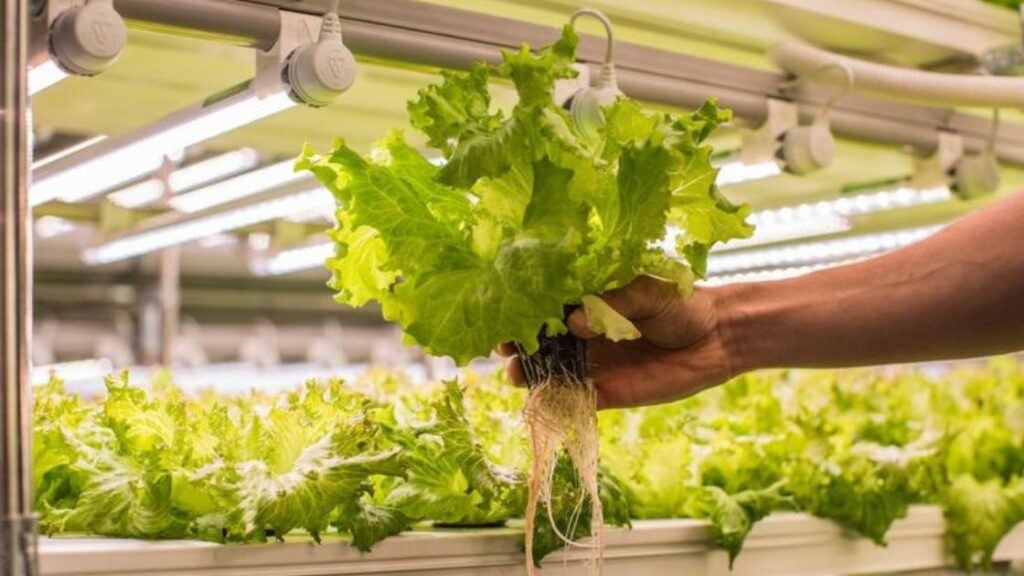
- Hydroponic farming supplies essential nutrients straight to plant roots using water based solutions. This technique allows precise control over mineral intake and accelerates growth significantly.
- Aeroponic systems keep plant roots hanging in air while spraying them with nutrient rich solutions. This method uses even less water and promotes exceptional root development.
Smart Automation and AI Integration
Smart farming solutions incorporate sensors, automation, and artificial intelligence to optimize operations. These systems monitor plant health, adjust environmental conditions, and predict harvest times with remarkable accuracy.
Challenges Facing the Industry
Despite its promise, indoor farming technology faces several obstacles that must be addressed.
High Initial Investment Costs
Setting up a commercial indoor farm requires substantial capital. Equipment, lighting systems, and climate control technology represent significant expenses that can deter new entrants.
However, operational costs continue declining as technology improves and becomes more accessible.
Energy Consumption Concerns
Running lights, pumps, and climate systems demands considerable electricity. Facilities must balance productivity with energy efficiency to remain economically viable.
Many operations are now integrating renewable energy sources like solar panels to address this challenge.
Real World Success Stories
Major companies are proving that indoor farming technology works at scale. Plenty Unlimited operates massive vertical farms supplying grocery chains across America. AeroFarms in New Jersey produces millions of pounds of leafy greens annually.
Smaller urban farming operations are thriving in cities worldwide, bringing fresh produce to food deserts and underserved communities.
The Future Looks Bright
As technology advances and costs decrease, indoor farming technology will become increasingly mainstream. Innovations in automation, energy efficiency, and crop variety expansion will drive continued growth throughout this decade and beyond.
Conclusion
Indoor farming technology represents a significant shift in how we approach food production. From vertical farming systems to hydroponic growing methods, these innovations are solving critical challenges facing global agriculture.
The benefits are clear: reduced water usage, elimination of pesticides, year round harvests, and the ability to grow food anywhere. While challenges like high startup costs and energy consumption exist, continuous advancements are making this approach more accessible.
As we face growing population demands and climate uncertainties, indoor farming technology offers a promising path toward sustainable food production. This revolutionary approach is not just changing agriculture; it is securing our food future.